Botox for Frown Lines: A Softer Expression Without Losing Character
A premium guide to botox for frown lines, including glabella treatment, natural results, timing, safety, and how to reduce a tense or tired expression.
Lek. Katarzyna Kęcka, March 2026, 8 min read

Botox for frown lines is one of the most effective treatments for softening the vertical lines that appear between the eyebrows. These lines, often called glabellar lines or '11 lines', can make the face look tense, tired, or more severe than intended, even when a person feels calm and relaxed.
In a refined treatment approach, the goal is not to erase expression or make the upper face appear blank. The aim is to reduce excessive contraction in the area while preserving a natural look. This article explains how botox for frown lines works, what kind of result patients can expect, and why precise planning is especially important in this part of the face.
What Are Frown Lines?
Frown lines usually form between the eyebrows as a result of repeated movement from the glabellar muscle complex. This area is influenced by several muscles working together, especially when we squint, concentrate, or frown. Over time, repeated folding of the skin can turn temporary expression lines into visible static lines.
Because the area between the brows is central to facial expression, even small changes can have a significant effect on how rested, approachable, or relaxed the face appears. This is one reason why treatment in this area often produces a noticeable but elegant overall improvement.
How Botox Treats the Glabella
Botox works by reducing the contraction of the muscles responsible for pulling the brows inward and downward. By softening this repeated movement, the vertical lines between the eyebrows become less pronounced and the area looks smoother over time.
A correct glabella treatment is highly anatomical. It is not simply a matter of placing product into visible lines. The injector must understand how the muscles move together, how strong they are, and how treatment may influence brow position and upper-face balance.
Can Botox for Frown Lines Look Natural?
Yes. In fact, one of the most elegant uses of botox is in the glabella, where reducing excessive tension can soften the face without making the result obvious. A patient may simply look calmer, less strained, or more open.
Natural results depend on appropriate dosing, placement, facial anatomy, and treatment goals. Some patients prefer stronger relaxation in the area, while others prefer a softer change that still allows visible movement. A premium consultation should define that clearly before treatment begins.
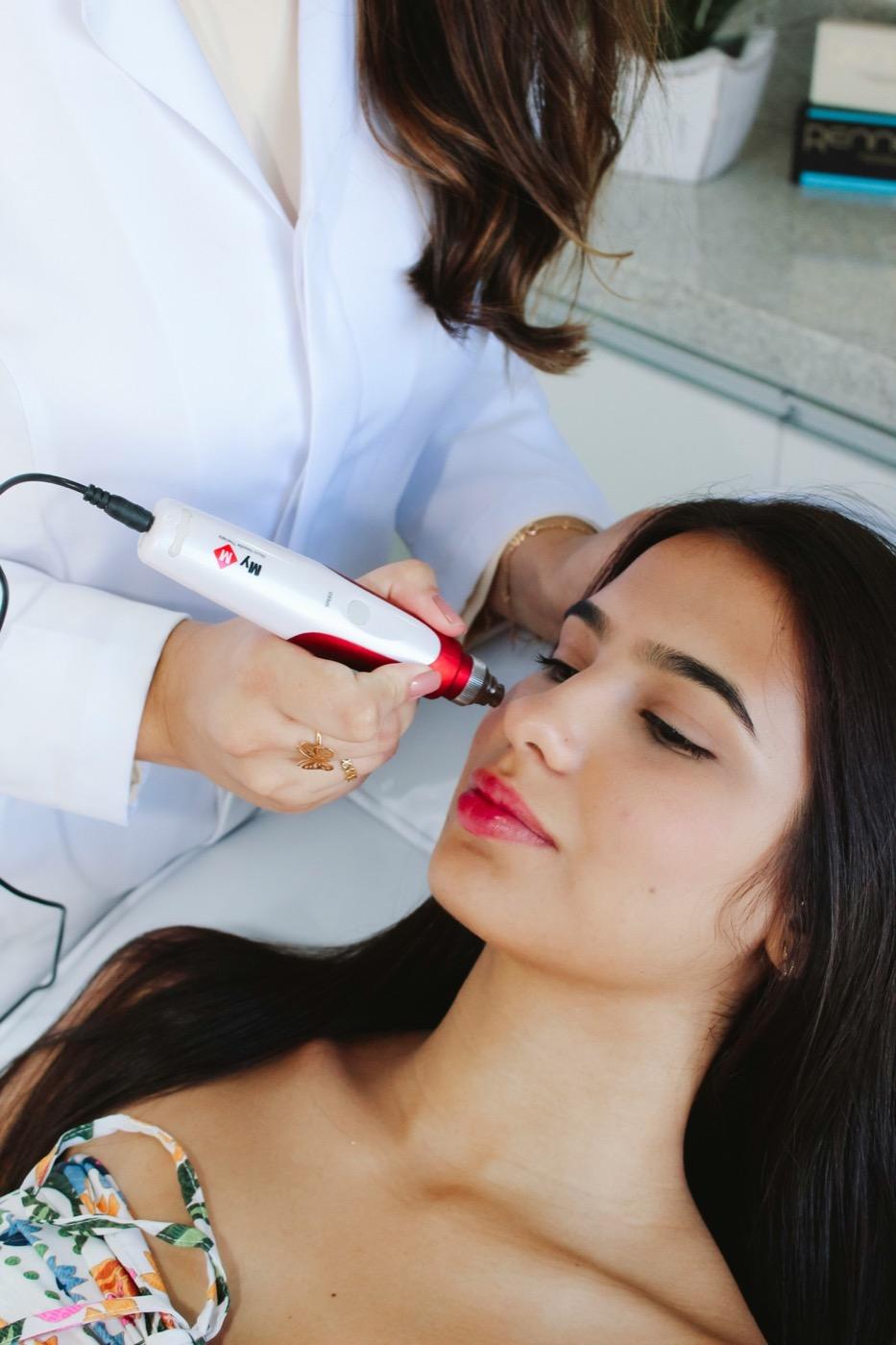
What the Treatment Appointment Is Like
A glabella treatment usually starts with an assessment of brow movement, muscle strength, symmetry, eyelid position, and overall facial dynamics. The doctor may ask the patient to frown, squint, and relax to evaluate how the area behaves in motion and at rest.
The injections themselves are usually very fast. Most patients tolerate the procedure well, and the discomfort is typically brief. Because this is a powerful area of the upper face, careful planning matters more than speed.
Results Timeline and Longevity
Patients often begin to notice early softening within a few days, with fuller results becoming visible around 10 to 14 days. During that period, the movement of the area gradually changes and the expression lines begin to look less deep.
For many patients, botox for frown lines lasts around three to four months. However, duration depends on muscle strength, metabolism, previous treatment history, and how strongly the glabella area is used in everyday expression.
Safety and Precision in the Glabella Area
The glabella is one of the areas where precision is especially important. Correct injection depth, placement, and dose all matter. A qualified medical injector should understand not only how to reduce the lines, but how to maintain natural brow support and avoid an overly heavy or imbalanced result.
This is why glabella botox should not be approached as a generic anti-wrinkle service. It is a treatment that benefits from experience, aesthetic judgment, and a careful understanding of upper-face anatomy.
Frequently asked questions
What are the '11 lines' between the eyebrows?
They are vertical frown lines in the glabella area, usually created by repeated muscle movement from frowning, concentrating, or squinting.
Does botox remove frown lines completely?
It can soften them significantly, especially dynamic lines. If lines are already deeply etched at rest, the improvement may be partial rather than total.
Will I still be able to express emotion?
In a well-planned treatment, yes. Modern premium treatment aims to reduce excessive tension while preserving natural character and expression.
How long does glabella botox last?
For many patients, around three to four months, although this varies with muscle strength, metabolism, and individual response.
Can botox in the frown area affect my brows?
Yes, it can influence brow dynamics, which is why anatomical planning is important. Proper treatment should support balance rather than create heaviness.