Botox Around the Eyes: Crow’s Feet, Expression, and a Softer Look
A premium guide to botox around the eyes, including crow’s feet treatment, natural movement, results timeline, and how subtle planning protects expression.
Lek. Katarzyna Kęcka, March 2026, 8 min read
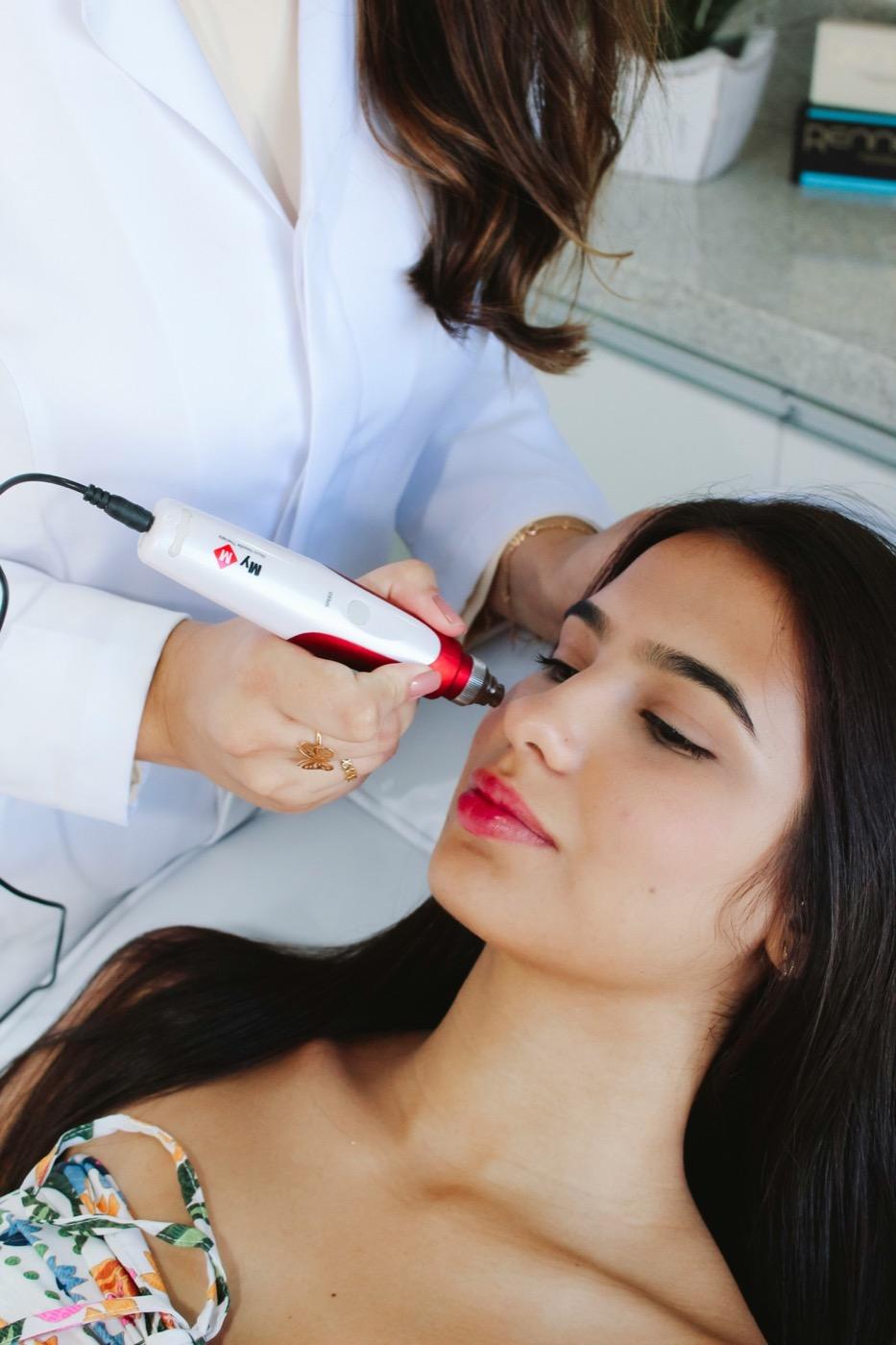
Botox around the eyes is most commonly used to soften crow’s feet — the fine lines that appear at the outer corners of the eyes when smiling or squinting. For many patients, this area is one of the first places where facial movement begins to leave visible marks on the skin.
When performed with restraint, botox in the eye area can make the face look fresher and less strained without taking away warmth or expression. In a premium treatment setting, the objective is not to flatten the smile, but to soften excessive folding while preserving the natural character of the eyes.
Why Crow’s Feet Develop
Crow’s feet form because the skin around the eyes is naturally delicate and constantly in motion. Smiling, laughing, squinting, and sun exposure all contribute to the appearance of fine lines in this region. Over time, dynamic lines may become more visible even when the face is at rest.
The way these lines develop varies from one person to another. Some patients have very fine fan-like lines, while others develop stronger creasing. Skin quality, genetics, facial movement patterns, and lifestyle all play a role.
How Botox Works Around the Eyes
Botox around the eyes is used to reduce the repeated contraction of the muscles that create crow’s feet during expression. By carefully relaxing those movements, the skin appears smoother and less creased when the patient smiles or squints.
Because the eye area is closely connected to how the face communicates emotion, the treatment should be subtle and anatomical. The best result is rarely the strongest one. A premium injector will usually aim for freshness, not rigidity.
Can Botox Around the Eyes Still Look Warm and Natural?
Yes. Natural eye-area botox is possible when movement is softened rather than erased. A patient should still look alive, expressive, and approachable. The smile should remain warm; only the excessive wrinkling should be reduced.
This balance depends on careful product placement, conservative dosing, and a precise understanding of the patient’s smile pattern. Over-treatment can make the result feel disconnected from the rest of the face, which is why restraint is often a mark of quality.
What to Expect During Treatment
During consultation, the doctor will usually assess how the lines appear in motion and whether they remain visible at rest. Smile dynamics, skin texture, eye shape, and the relationship between the eye area and cheek movement all matter when planning treatment.
The injections themselves are quick and typically well tolerated. Because the area is delicate, some patients may experience temporary mild swelling or tiny marks at injection points, but these usually settle quickly.
Results and Duration
Patients often begin to notice softening within a few days, with fuller improvement developing over approximately 10 to 14 days. The area usually looks smoother during smiling and less creased in bright light or close-up photographs.
The duration of eye-area botox is often around three to four months, although some patients notice the effect changing slightly sooner because this region is so expressive. Longevity always depends on movement patterns, anatomy, and individual metabolism.
Why Subtle Treatment Matters in the Eye Area
The eyes are central to expression, warmth, and identity. For this reason, premium treatment in this area should always respect how the patient smiles and communicates. A subtle improvement can make a major visual difference without making the result visible as a treatment.
The eye area is a good example of why elegant aesthetic medicine is not simply about reducing wrinkles. It is about deciding which movement to soften and which qualities to preserve.
Frequently asked questions
What are crow’s feet?
Crow’s feet are the fine lines that appear at the outer corners of the eyes, especially during smiling or squinting.
Can botox around the eyes still look natural?
Yes. A natural result is based on preserving expression and warmth while reducing excessive folding of the skin.
Will my smile change?
The goal is not to remove the smile, but to soften strong wrinkling around the eyes. In refined treatment, the smile should still look like you.
How long does botox for crow’s feet last?
Often around three to four months, depending on movement, anatomy, and individual metabolism.
Is eye-area botox painful?
Most patients find it very tolerable. The injections are quick and usually involve only mild discomfort.